Sample text
-
Whatsapp 86 13015540001
-
E-mail MortonGrevistono@gmail.com

Mobile Industrial Vacuum Cleaner01
PRODUCT PARAMETERS
Description
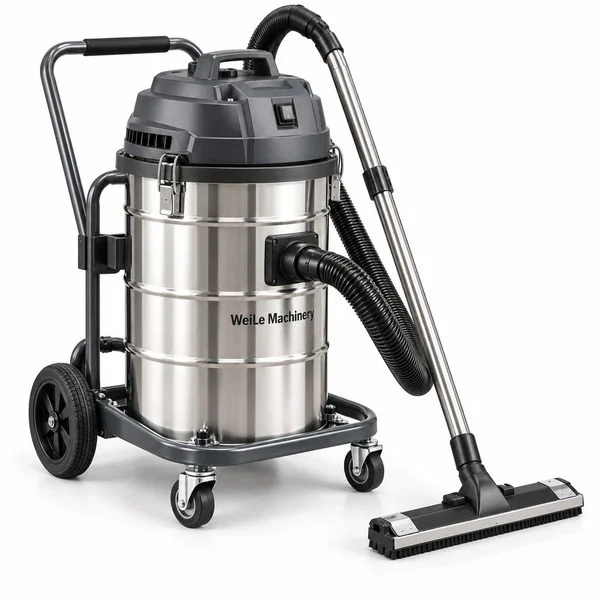
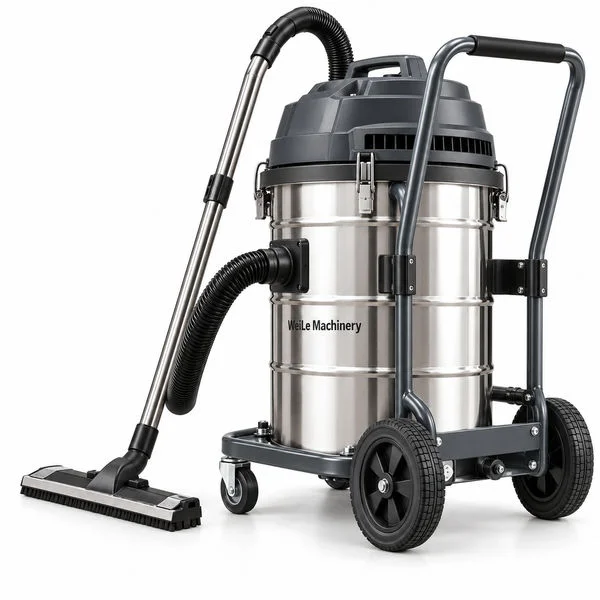
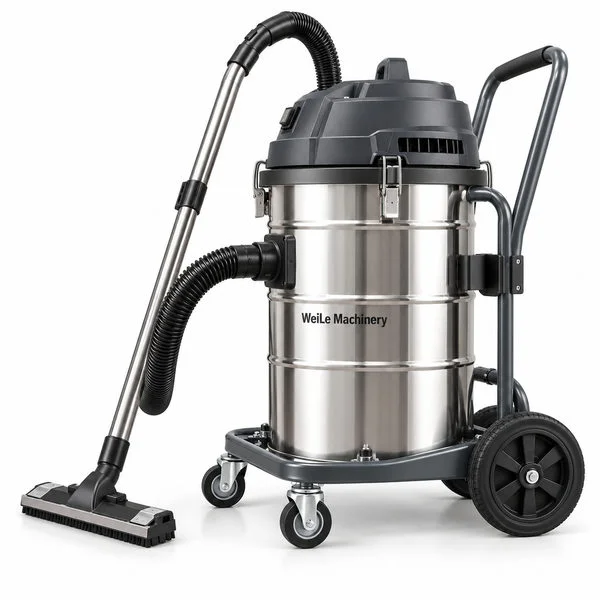
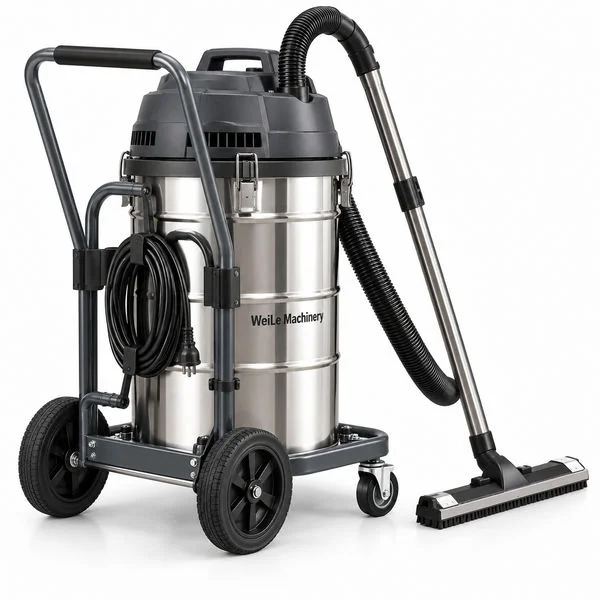
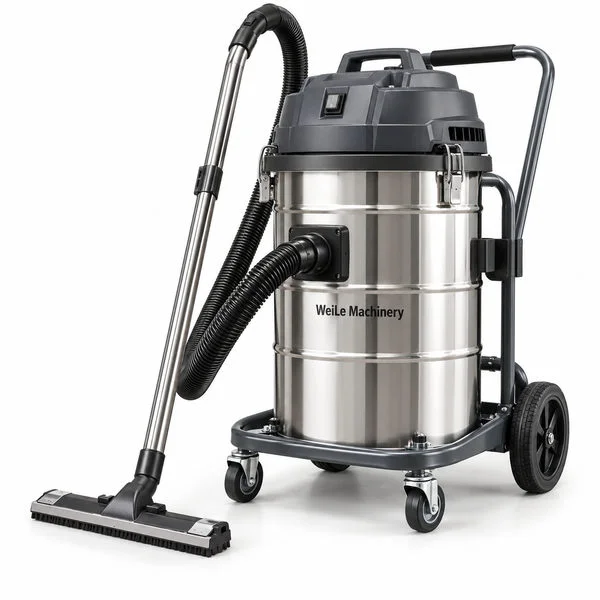
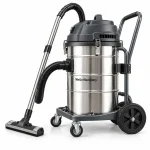
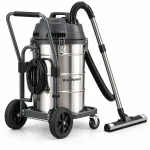
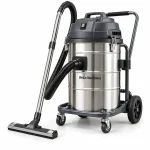
| PRODUCT PARAMETERS Trolley-mounted dry industrial vacuum with a hose, cleaning tool, collection container and matched filtration. Motor power, airflow, vacuum and bin capacity require confirmed model data. |
| Description A mobile industrial vacuum cleaner uses suction to collect suitable dry dust and loose debris through a hose and cleaning tool. Filters separate collected material from the airflow before exhaust. This page describes a trolley-mounted dry-cleaning configuration for non-combustible material in suitable non-hazardous areas. |
| Technical Characteristics |
| Equipment type Mobile dry industrial vacuum cleaner |
| Collection principle Suction conveyed through a hose and cleaning tool |
| Container arrangement Removable collection container on a wheeled trolley |
| Primary use Suitable dry non-combustible dust and loose debris |
| Filter selection Match material, exposure risk and dust-release requirements |
| Hose selection Diameter and length matched to material and pressure loss |
| Operating duty Confirm suitability for actual daily operating periods |
| Maintenance Inspect seals, filter condition and collection level |
| Applications Local housekeeping around suitable machinery, production areas and warehouse floors after dust assessment. |
| Notice A stainless container does not establish explosion protection or suitability for hazardous dust. No HEPA, M/H dust class, wet pickup or continuous-duty capability is implied. Do not use for combustible dust, flammable liquids or hot material without a specifically suitable system. |
FAQs
What products does WeiLe Machinery offer?
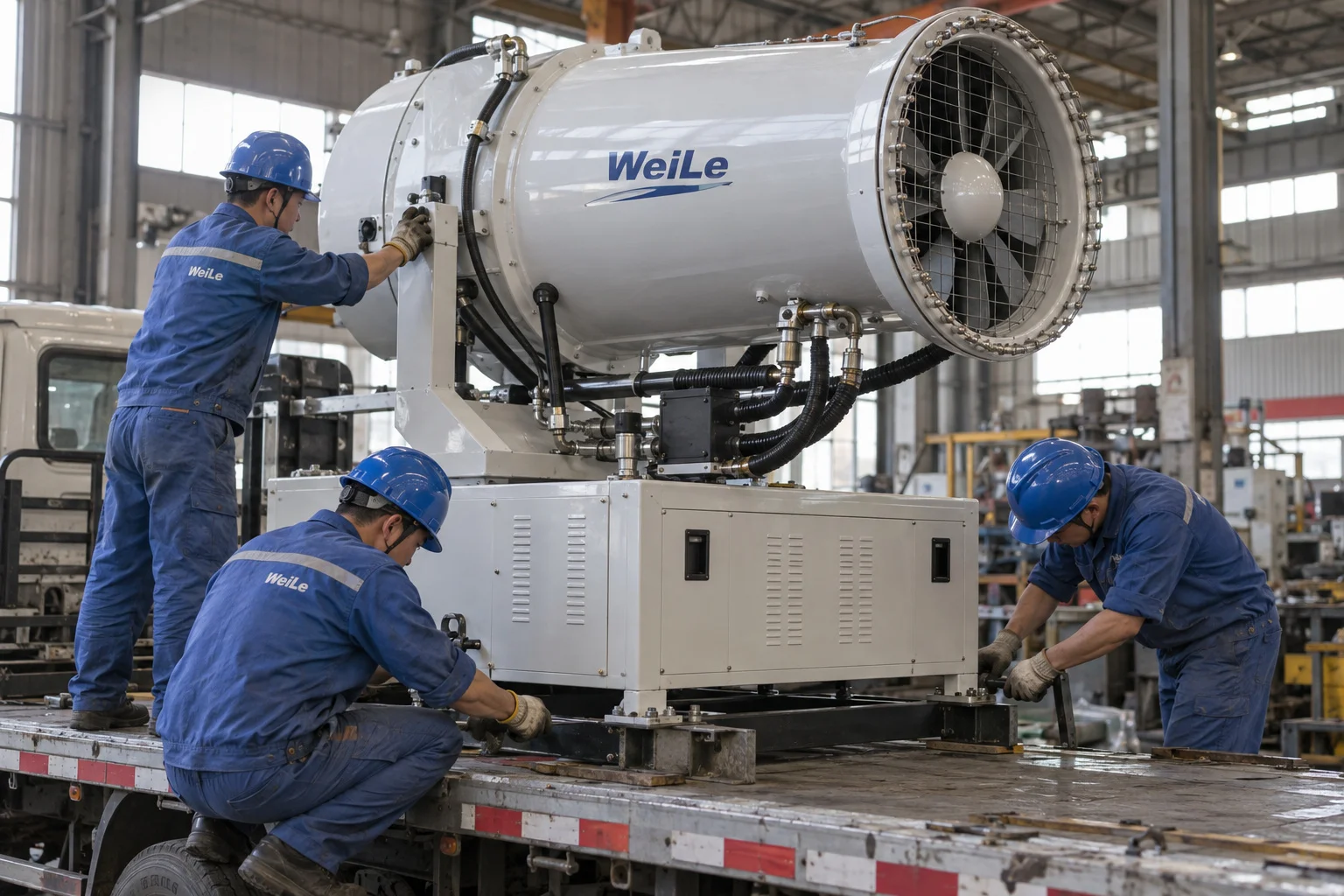
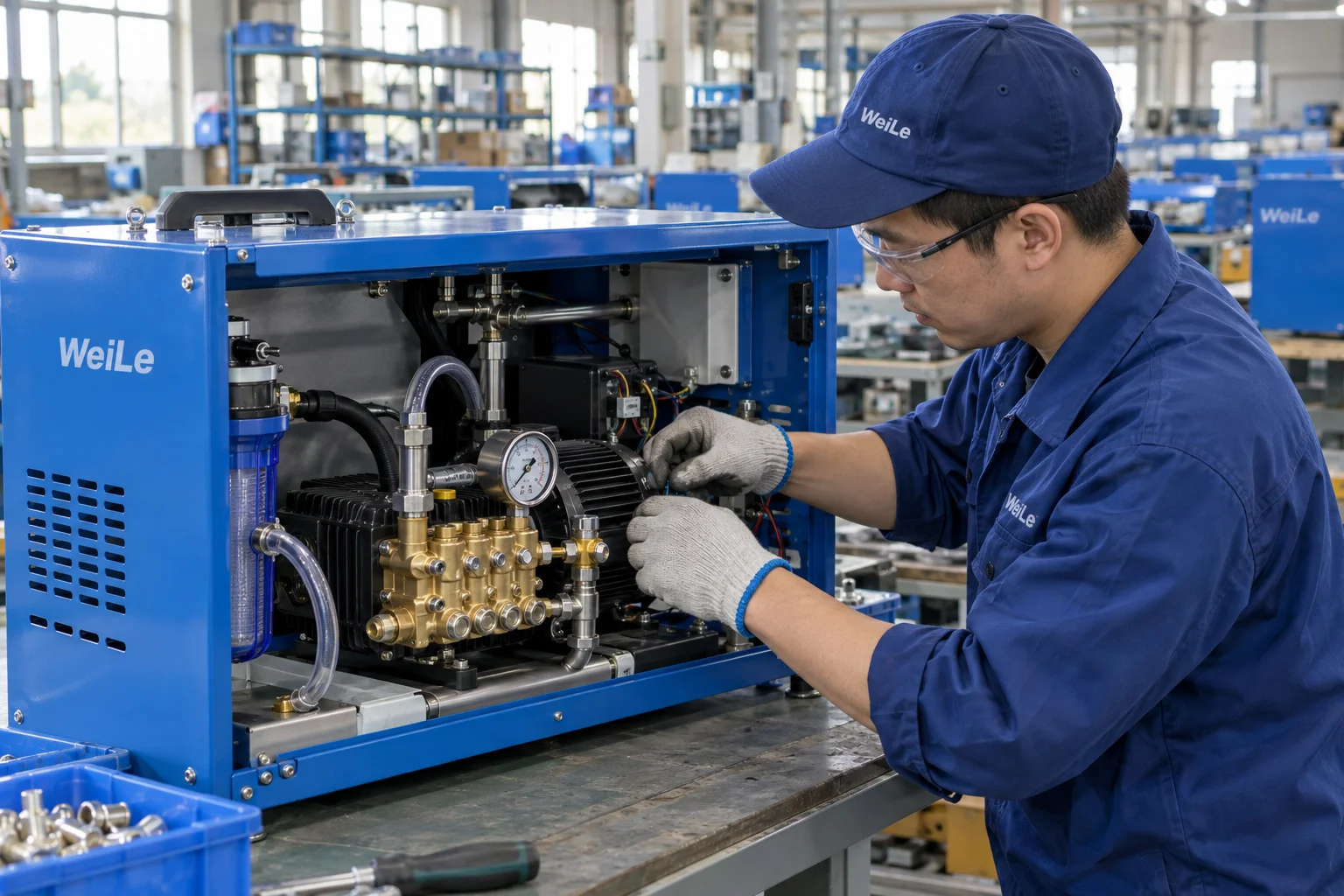
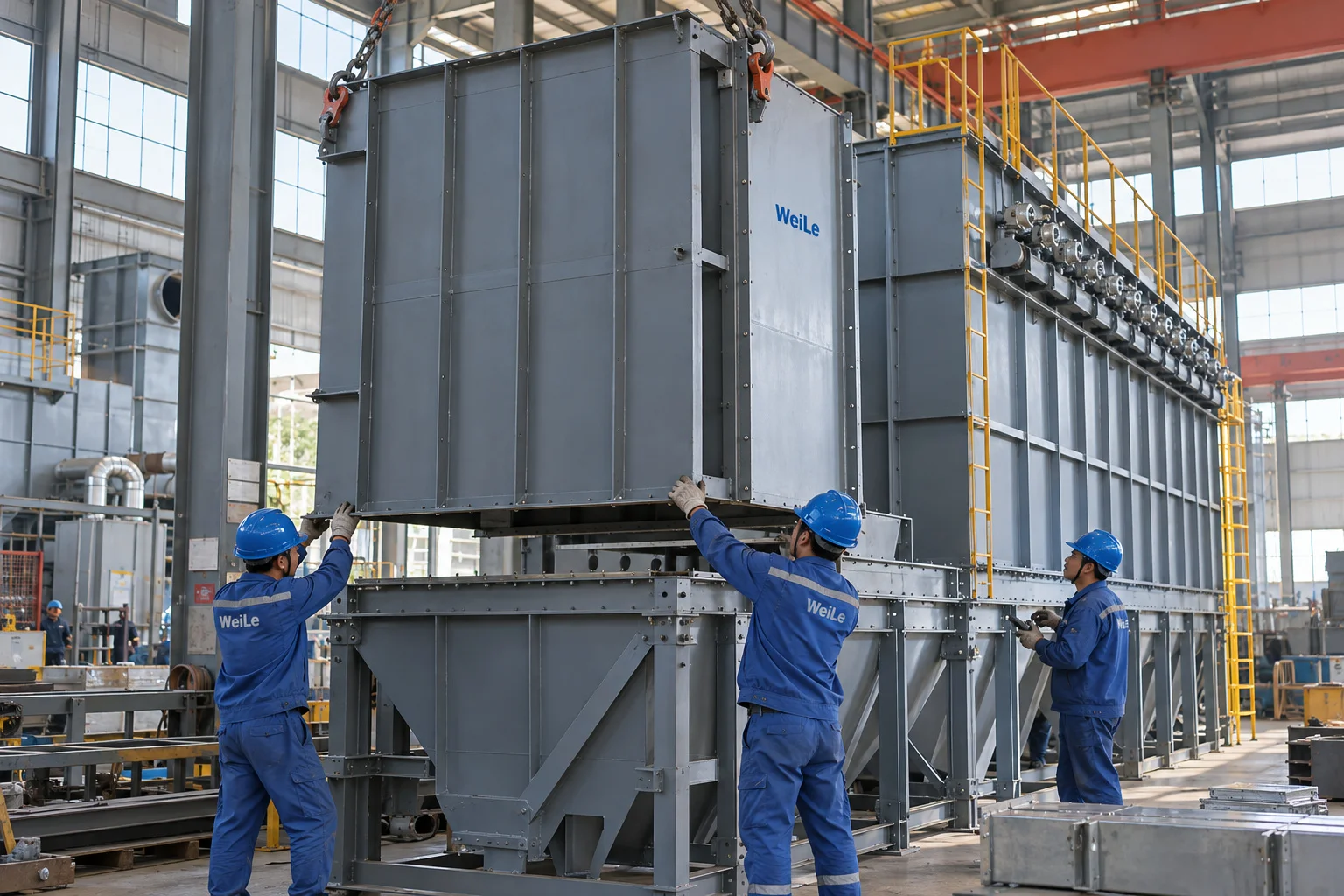
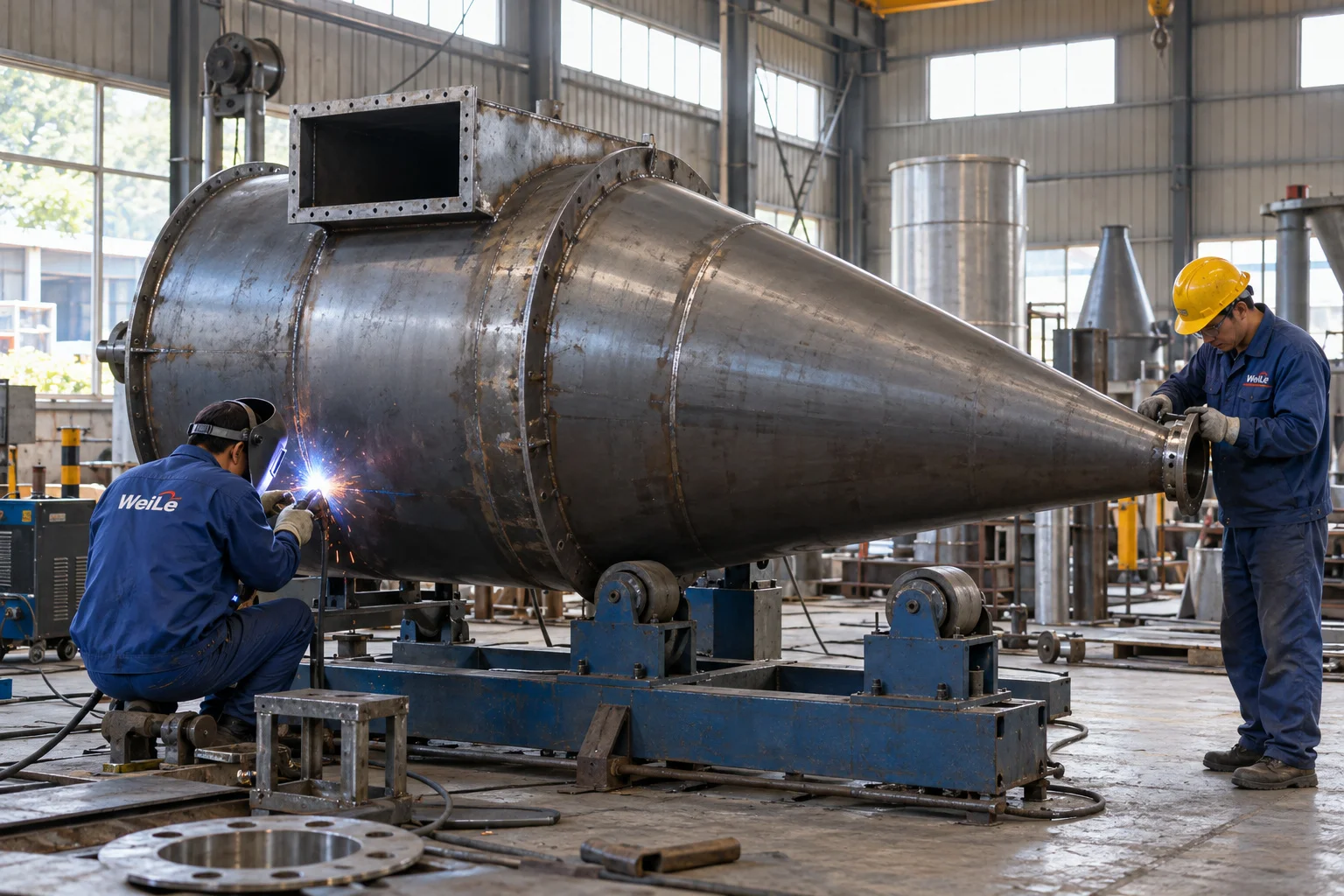
WeiLe Machinery focuses on fog cannons, spray and dry fog dust suppression systems, industrial dust collectors, industrial weighing and batching, powder handling and flow control, silo filters and components, and concrete mixer wear parts. Product selection depends on the material, application and installation conditions.
How are equipment and spare parts shipped?
Shipping is planned around the packed dimensions, weight and destination. Large equipment may require sea freight and a specific container or loading arrangement. Suitable small parts may travel by air or courier. Packing, freight charges, delivery terms and customs responsibilities are confirmed in the quotation or contract.
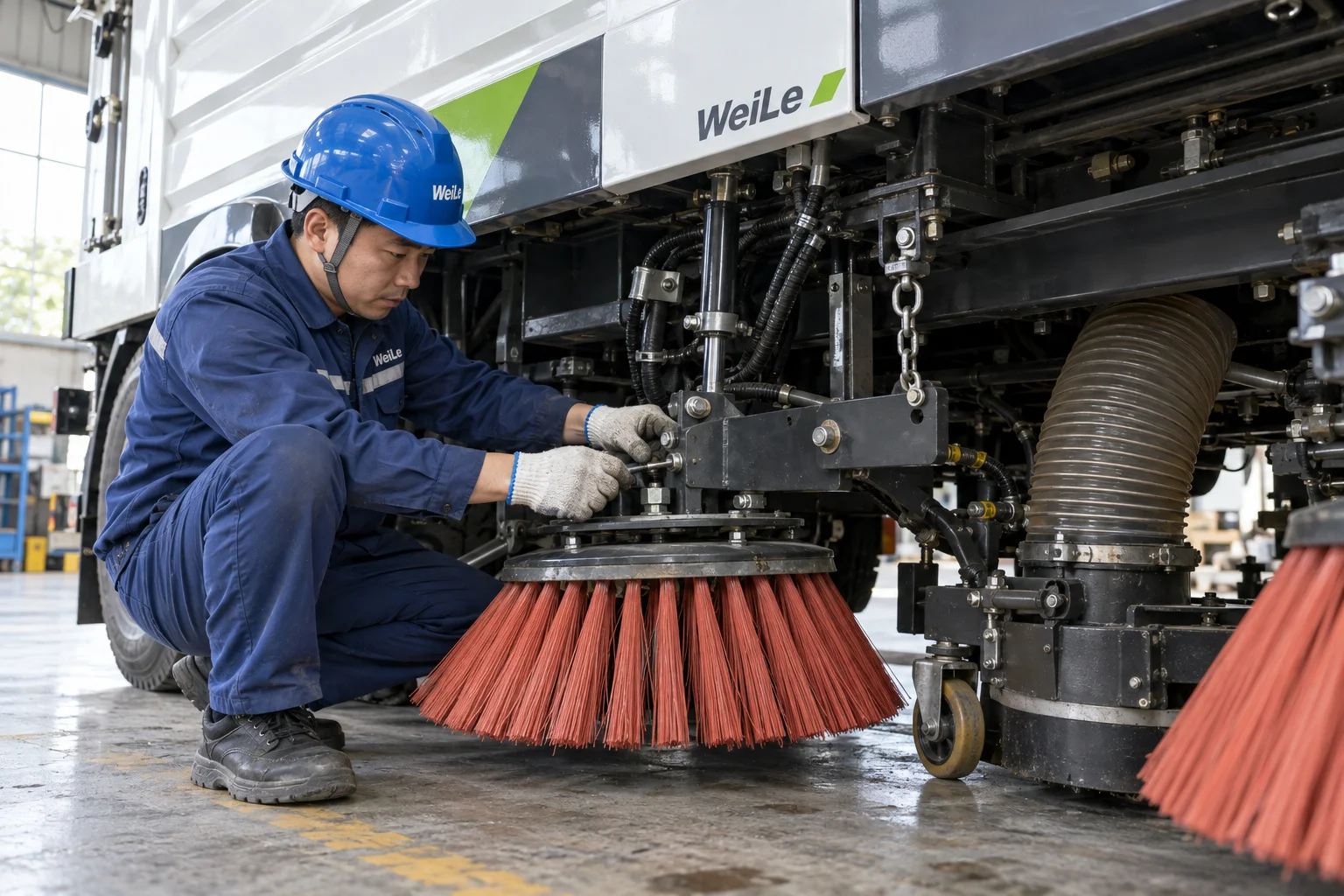
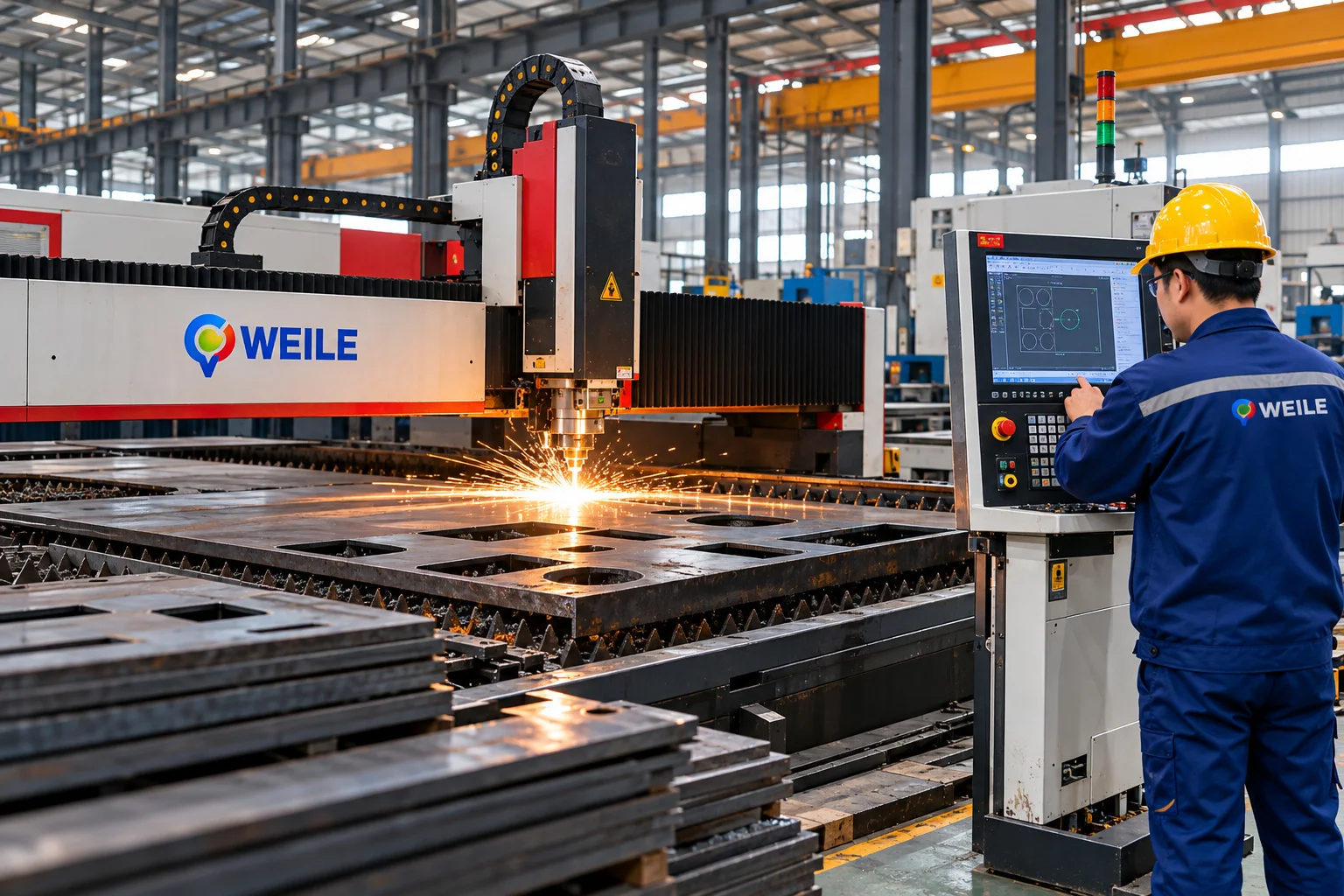
Can equipment or replacement parts be adapted to our requirements?
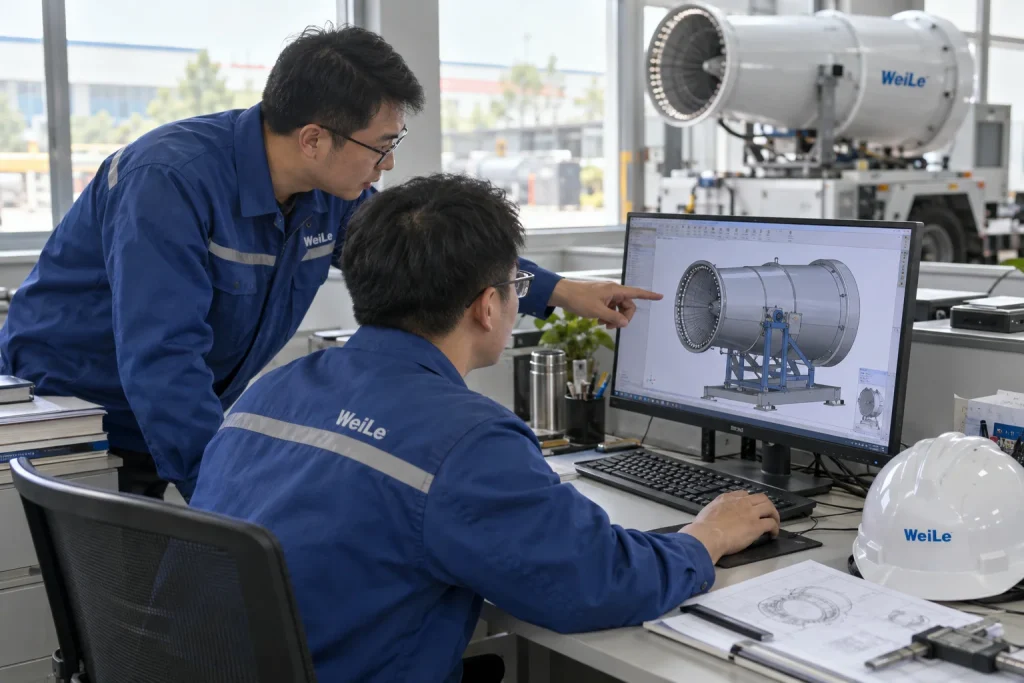
We can review your application, drawings and installation requirements to assess a suitable configuration or replacement part. Equipment changes require a technical review. Parts must be checked against the machine model, part number, dimensions and interfaces; similar appearance alone does not establish compatibility.
What is the ordering process?
Send the product required, application details, quantity and destination. For replacement parts, include the machine model and part details. After technical review, confirm the specification, supply scope, price, payment terms and delivery schedule. The order then proceeds according to the agreed production or supply, inspection and shipping arrangements.
What after-sales support is available?
Support for supplied products is agreed according to the equipment or component involved. It may include operating and maintenance guidance, remote troubleshooting and spare-parts assistance. Before ordering, confirm warranty coverage, installation and commissioning responsibilities, and the availability and cost of any on-site service.